DIALYSIS CENTER PERMITTING IN WASHINGTON, D.C.: REQUIREMENTS & TIMELINE
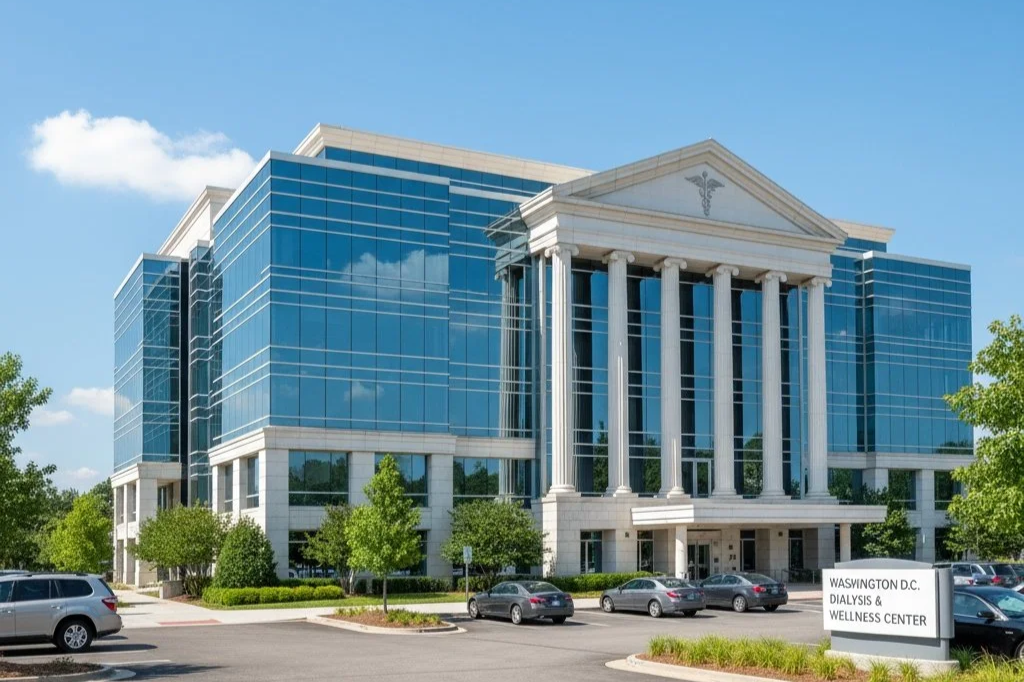
Starting a dialysis center in D.C. isn’t just a noble mission—it’s a major logistical feat. And if you’re not prepared for the twists and turns of the permitting maze, it can quickly become a full-blown headache.
Opening a Dialysis Center Is Like Building a Lifeline—One Brick at a Time
Think of a dialysis center as a lifeline for the community—where every design decision, every permit pulled, and every compliance box checked ensures someone gets the care they need to survive. But before you can open your doors and fire up those dialysis machines, you’ve got to navigate a complex path filled with government red tape, strict health codes, zoning reviews, and multiple agency approvals.
In this post, we’ll break down the key permitting requirements for dialysis centers in Washington, D.C., outline a realistic timeline, and share insider tips to help you avoid costly delays.
1. Zoning Comes First: Don’t Skip the Map Check
Before you draw up a single floorplan, you need to know: can you even build here?
Dialysis centers fall under healthcare facility regulations, meaning their use must align with D.C. zoning laws. The DC Zoning Handbook classifies medical facilities under specific use groups—usually MU (Mixed-Use), NC (Neighborhood Commercial), or institutional zones.
If your proposed site doesn’t have the correct zoning, you may need to file for a Zoning Determination Letter or apply for Special Exception Relief through the Board of Zoning Adjustment (BZA). That process alone can take 3-6 months.
Pro Tip: Before signing a lease, request a Certificate of Zoning Compliance to confirm your site is eligible.
📊 Stat: According to DCRA, over 30% of initial zoning applications for healthcare facilities are either delayed or denied due to improper zoning.
💬 “Start with zoning. Everything else depends on it. I’ve seen perfectly designed clinics get stuck for months because they skipped that step.” — Marcus Bell, Commercial Real Estate Consultant
2. Get Familiar with the Certificate of Need (CON) Process
In D.C., health isn’t just a service—it’s a regulated commodity.
Before opening a dialysis center, you’ll need a Certificate of Need (CON) from the State Health Planning and Development Agency (SHPDA). This step evaluates whether the proposed facility is necessary in the intended location based on community need, population health data, and existing facility capacity.
The CON application must include:
Business plan
Financial feasibility study
Population health data
Letters of support from stakeholders
Review time: 90–150 days (assuming no opposition or revisions).
Pro Tip: Engage a health planning consultant to help craft a compelling narrative around your project’s necessity.
📊 Stat: In 2023, only 62% of CON applications for outpatient care facilities in D.C. were approved on first submission.
💬 “A strong CON application tells a story: why this center matters, and who it will serve.” — Dr. LaShawn Epps, Health Policy Analyst
3. Building Permits: Design with Compliance in Mind
Healthcare construction isn’t like putting up an office or retail shop—every inch has to meet medical-grade standards.
Once zoning and the CON are squared away, your design team can submit building plans to the Department of Buildings (DOB) for review. These plans must comply with:
D.C. Building Code
International Building Code (IBC)
FGI Guidelines for Outpatient Facilities
ADA Accessibility Standards
Fire and Mechanical Codes
Expect reviews from multiple departments—structural, fire safety, mechanical, plumbing, electrical—and the Department of Health (DOH).
Timeline: 45–90 days, depending on complexity and backlog.
Pro Tip: Submit as a ProjectDox digital application and schedule a Preliminary Design Review Meeting (PDRM) to speed up the process.
📊 Stat: Plan revisions are requested in over 70% of initial submissions for medical facilities in D.C.
💬 “Clean drawings = faster approvals. If you cut corners, it’ll come back to haunt you in corrections.” — Elena Ruiz, Permitting Specialist
4. Health Facility Licensing: The Final Regulatory Hurdle
You’re not done once the building’s up—you still need permission to operate.
D.C.’s Health Regulation and Licensing Administration (HRLA) requires all dialysis centers to be licensed as Ambulatory Health Care Facilities. The process includes:
On-site inspections
Staff credentialing reviews
Equipment verification
Infection control policies
Emergency preparedness plans
You’ll also need to register with Medicare/Medicaid as a provider, and submit your facility for CMS Certification if applicable.
Timeline: 30–60 days after construction is complete.
Pro Tip: Build a compliance manual during construction—don’t wait until the final walkthrough.
📊 Stat: Licensing delays account for nearly 25% of postponed dialysis center openings in the DMV area.
💬 “Licensing is where the real-world meets the paperwork. Be ready with everything—policies, plans, even your janitorial schedule.” — Tara Lin, RN, Clinical Operations Consultant
5. Inspections & Final Approvals: One More Lap Around the Track
You’re in the home stretch—but one misstep here could send you back to square one.
Before opening day, you’ll face final inspections from:
DOB (for Certificate of Occupancy)
DOH (for health compliance)
Fire Marshal (for life safety)
DCRA (if applicable, for general code compliance)
If everything passes, you’ll be issued a Certificate of Occupancy (C of O)—your green light to open.
Timeline: 2–4 weeks, if no corrections are needed.
Pro Tip: Schedule inspections early and coordinate them closely with your general contractor. Inspectors often have full calendars, especially in peak building seasons.
📊 Stat: Nearly 40% of first-time occupancy inspections for medical use fail due to minor infractions like missing signage or incomplete HVAC testing.
💬 “Your final inspection isn’t the time to hope it all comes together. Treat it like a dress rehearsal—practice everything in advance.” — James Wu, Construction Project Manager
Final Thoughts: Plan Smart, Build Safe, Serve Well
Opening a dialysis center in Washington, D.C. is a journey with high stakes—but also high rewards. From zoning to CON, from construction permits to health licensing, the process can take anywhere from 9 to 18 months, depending on preparation, experience, and city timelines.
Here's the bottom line:
✔ Start with the right site
✔ Master the CON narrative
✔ Build to code, not just to spec
✔ Don’t underestimate the power of prep
If you do all that, you won’t just be opening a clinic—you’ll be opening a lifeline for countless D.C. residents who need critical care close to home.
💬 “Getting through the permit process is like running a relay. You need every leg—zoning, planning, construction, licensing—to work in sync.” — Karen Ford, Urban Health Strategist
Final Thoughts: Plan Smart, Build Safe, Serve Well
Opening a dialysis center in Washington, D.C. is a journey with high stakes—but also high rewards. From zoning to CON, from construction permits to health licensing, the process can take anywhere from 9 to 18 months, depending on preparation, experience, and city timelines.
Here's the bottom line:
✔ Start with the right site
✔ Master the CON narrative
✔ Build to code, not just to spec
✔ Don’t underestimate the power of prep
If you do all that, you won’t just be opening a clinic—you’ll be opening a lifeline for countless D.C. residents who need critical care close to home.
💬 “Getting through the permit process is like running a relay. You need every leg—zoning, planning, construction, licensing—to work in sync.” — Karen Ford, Urban Health Strategist
Need help navigating the D.C. permitting maze?
Let M.C.G. Permit Consultants take the stress off your plate. With years of experience helping healthcare facilities get approved faster and cleaner, we know the shortcuts—and the pitfalls to avoid.
📞 Phone: 202-729-8272
📧 Email: sayhello@mcgpermits.com
Let’s build something that saves lives—together.
